

Mozambique: the Land of Good People
We want to personally invite you to our beautiful home.
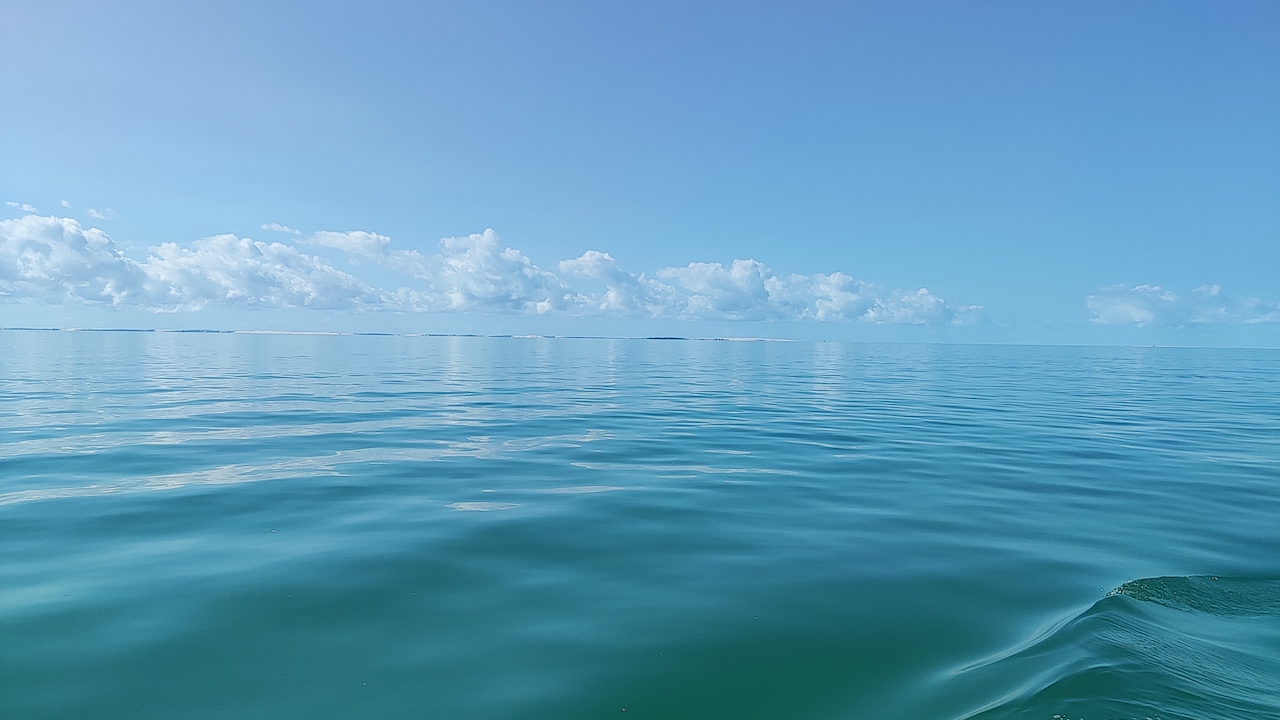
Mozambique is a land bursting with unparalleled natural beauty, vibrant culture and profound heritage. Known affectionately as the Land of Good People, we invite you to experience this Southern African paradise through a unique lens, one that celebrates authentic design, sustainable practices and deep community connections.
Imagine 2,023 kilometres of breathtaking coastline where secluded luxury islands meet an adventurous interior. Picture yourself exploring rehabilitated national parks like Maputo National Park, where magnificent wildlife roams just hours from pristine beaches, or Zinave, home to lions, elephants, rhinos and giraffes. Delve into the raw wilderness of Gorongosa National Park, a thriving global haven for biodiversity.
Finding love and home in Tofo
Marcia Nangy O’ConnellBecause of the beauty of my country, I found true love. In 2002, my husband Richie O’Connell, an Irish dive instructor, moved to Tofo Beach after falling in love with Mozambique, like so many who come for holidays and never leave.
With Richie, I learned to truly enjoy the underwater world (even if I prefer not to disturb the fish!). The ocean breezes, quiet boat trips, deserted beaches, rolling sand dunes and wild nature reserves unlocked an even deeper appreciation for my homeland. Together, we have travelled Mozambique from top to bottom, discovering hidden gems from white sandy shores to mountains and caves.
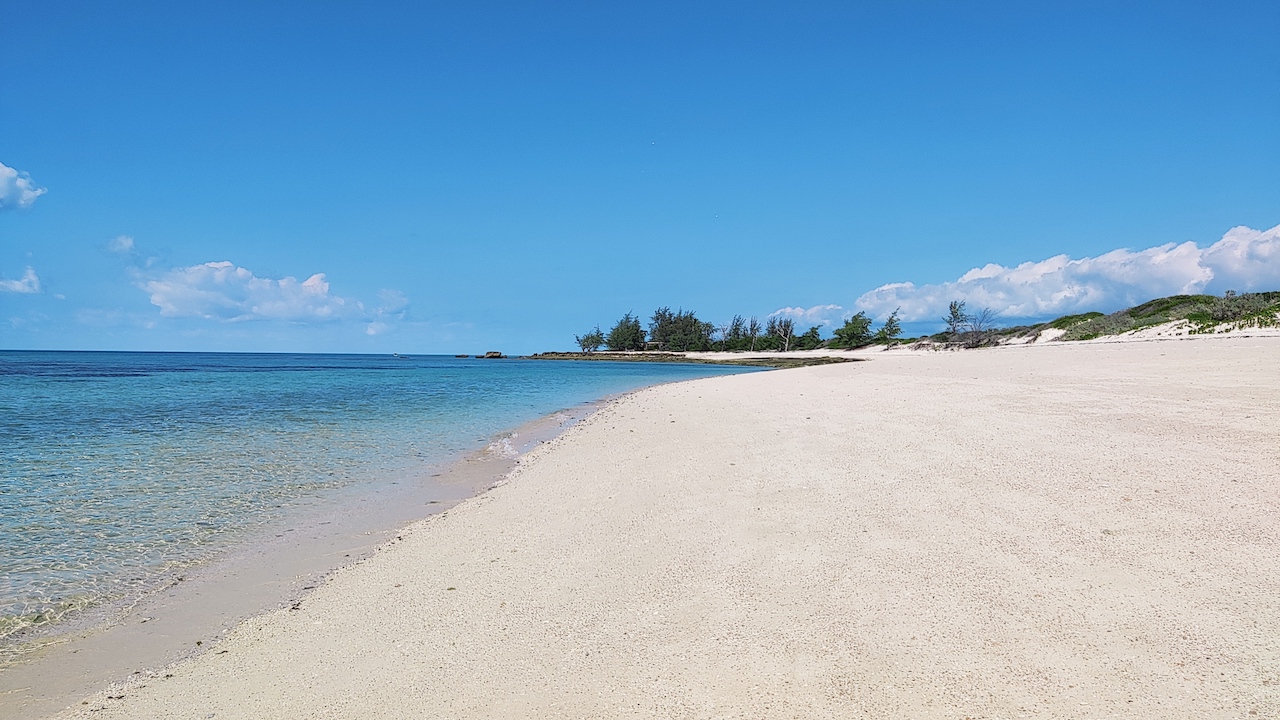
Through Dathonga’s eyes, Mozambique is so much more than stunning landscapes. It is the crystal-clear water of Tofo Beach, where wild nature mixes seamlessly with art and culture, inviting you to dive alongside majestic manta rays, gentle whale sharks, dugongs and sea turtles.
Mozambique’s enduring spirit
History, culture and people
Our rich history, from early Bantu migrations and Swahili-Arab traders to European maritime eras, has forged a remarkably diverse, resilient and proud national identity. Despite past conflicts and ongoing economic challenges in rural areas, the Mozambican people are defined by their open, friendly and deeply artistic nature. They carry themselves with dignity and grace, embodying an incredible spirit of creative ingenuity.
At Dathonga, we connect you directly to the heart of this resilience. We bring you closer to the talented women artisans whose hands transform natural fibres into exquisite contemporary designs, preserving ancestral techniques like Sipatsi, Titja and Makwe.
Our Cultural Hub in Tofo Beach serves as your physical gateway to this world: a dynamic space for art exhibitions, live music, hands-on workshops and immersive cultural exchanges.
Cultural expression here is exceptionally vibrant
- Sacred rhythms. Experience the Timbila of Inhambane, a sacred musical instrument recognised as a UNESCO Masterpiece of the Oral and Intangible Heritage of Humanity.
- Traditional expression. Marvel at the elaborate Chopi animal-skin dances or the breathtaking Makua stilt dances.
- Soulful sounds. Feel the pulse of contemporary Marrabenta rhythms filling the air.
- Living history. Walk through historic coastal trading hubs like the Island of Mozambique and Inhambane City.
Elevate your experience
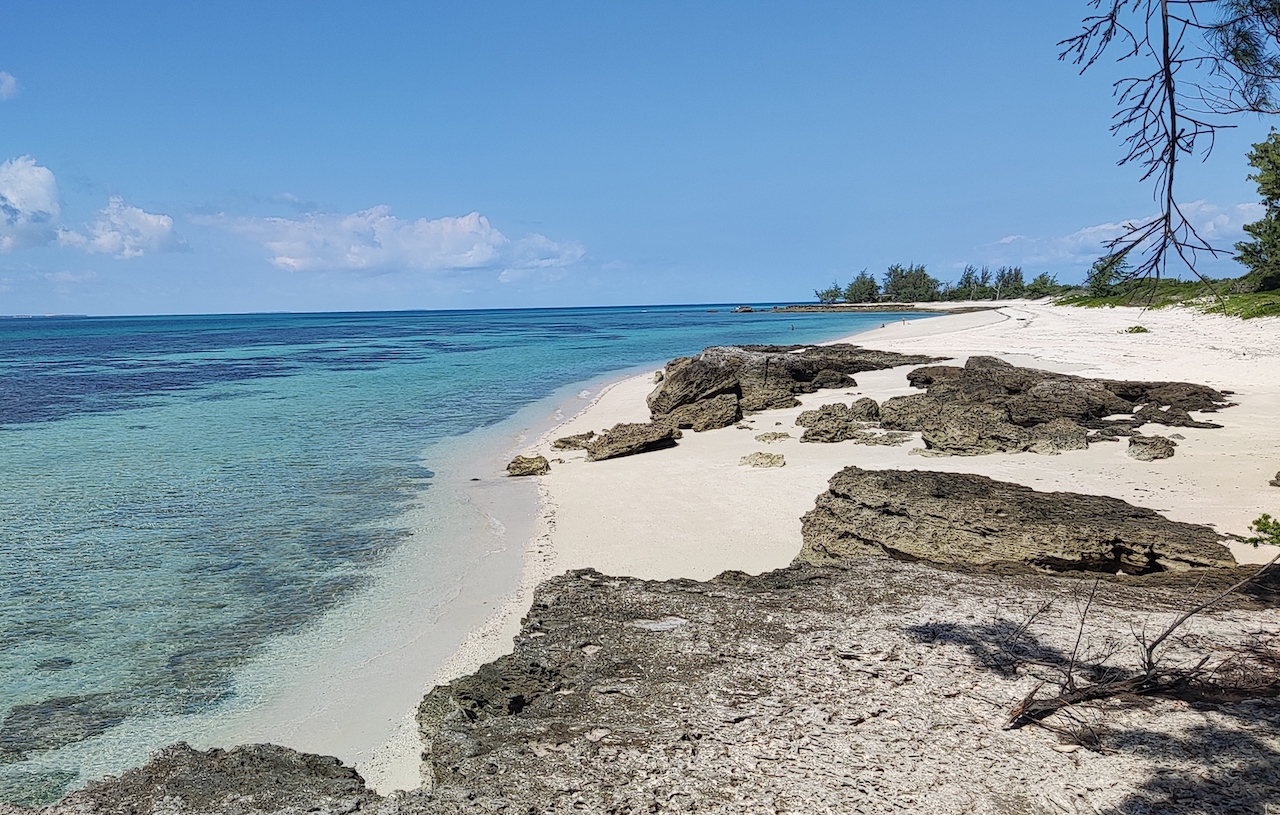
While visiting us in Tofo or joining one of our cultural tours, seize the opportunity to explore Mozambique’s famed waters and archipelagos.
- Inhambane Bay. Embark on a serene, traditional dhow sailboat trip across calm coastal waters.
- Bazaruto Archipelago. Venture to nearby iconic sand dunes rising dramatically from waters that shimmer in forty shades of blue.
Plan your perfect adventure
As a local company with over 20 years of hands-on experience in Mozambican tourism and culture, Dathonga is uniquely positioned to connect you directly with reputable partners. We provide transparent pricing and no hidden conditions, helping you tailor your dream holiday for individuals, families or corporate groups. We can direct you straight to the ideal travel agents to handle all your bookings.
Safety. Mozambique is generally safe and welcoming; standard, common-sense travel precautions apply.
Travel practicalities
How to get a visa for Mozambique
Mozambique has recently updated its visa policies, so it’s crucial to check the latest information, as requirements can change.
e-Visa system. Mozambique has an e-Visa platform (evisa.gov.mz), which is the primary way for most nationalities to apply for tourist and business visas. This often allows for pre-approval before arrival.
Visa exemption. Some nationalities, like U.S. citizens, may be exempt from obtaining a visa for tourism or business for stays up to 30 days, but must typically show proof of a round-trip flight and hotel reservation. Always verify directly with the official e-visa portal or a Mozambican embassy or consulate for your nationality.
Visa on arrival. The official stance is generally moving towards pre-approved e-Visas. We highly recommend obtaining your visa beforehand to avoid problems on arrival.
Types of visa:
- Tourist visa: for holidays, vacations, beaches.
- Business visa: for meetings, research and conferences.
- Visitor visa: if you intend to stay with a citizen or resident (requires a notarised letter of support from your host).
- Work, student, diplomatic and transit visas: generally applied for through an embassy or consulate before arrival.
General requirements (these vary by visa type and nationality): a valid passport with at least 6 months’ validity and 2 blank pages, a completed application form, recent passport photographs, proof of accommodation, proof of financial means and a return or onward ticket. Some visas also require an invitation letter, work permit, company documents, criminal record certificate or medical certificate.
Processing. Allow ample time, as applications can take several weeks, especially if referred to the National Migration Services in Maputo. Always consult the official portal and your nearest Mozambican embassy for the most up-to-date information.
How to get to Mozambique
By air. Maputo International Airport (MPM) is the primary gateway, with flights from African cities such as Johannesburg, Nairobi and Addis Ababa, plus some international connections. Vilankulos (VNX) is popular for reaching the Bazaruto Archipelago, and Nampula (APL) serves the north. Airlines include LAM Mozambique Airlines, South African Airways, Ethiopian Airlines, Kenya Airways and Qatar Airways.
By land. Mozambique borders South Africa, Eswatini, Zimbabwe, Zambia, Malawi and Tanzania. The most common crossings for tourists are with South Africa (Ressano Garcia/Lebombo, Kosi Bay/Ponta do Ouro) and Zimbabwe (Machipanda). You can enter by car (a 4×4 is often recommended), bus or shared taxi (chapa). Be aware of road conditions, especially in the rainy season.
By sea. Cruise ships occasionally visit ports like Maputo and Ilha de Moçambique. Arriving by private yacht requires specific customs and immigration procedures at designated ports.
General travel advice
Passport validity. Your passport should be valid for at least 6 months beyond your departure date, with at least two blank pages for stamps.
Yellow fever. If you are coming from a country with a risk of yellow fever transmission, a vaccination certificate is required. Check the latest health recommendations for your origin.
Malaria. Mozambique is a malaria-risk area. Consult your doctor about anti-malarial medication and take precautions such as insect repellent and mosquito nets.
Safety. Exercise a high degree of caution in some areas, particularly parts of Cabo Delgado province, which many foreign governments advise against travelling to. Stay informed about local conditions and follow official advice.
Identification. By law you must carry your original passport at all times, not a copy.
Photography. Be cautious when taking photos, especially of official buildings, military installations or people without their permission.
For the most accurate and personal information, check official Mozambican government sources and your country’s foreign travel advisory service.
Where can I buy Dathonga pieces while I’m here?
In Inhambane, visit the Dathonga Gallery and Cultural Hub in Tofo Beach, or find our pieces across the Bazaruto Islands. In Maputo, see Celo and Dhow. Our full list of shops and distributors is on the stockists page.
Can I collaborate with Dathonga?
Yes, we welcome collaborations. Contact Márcia to discuss your ideas and explore potential partnerships.
Experience the real Mozambique
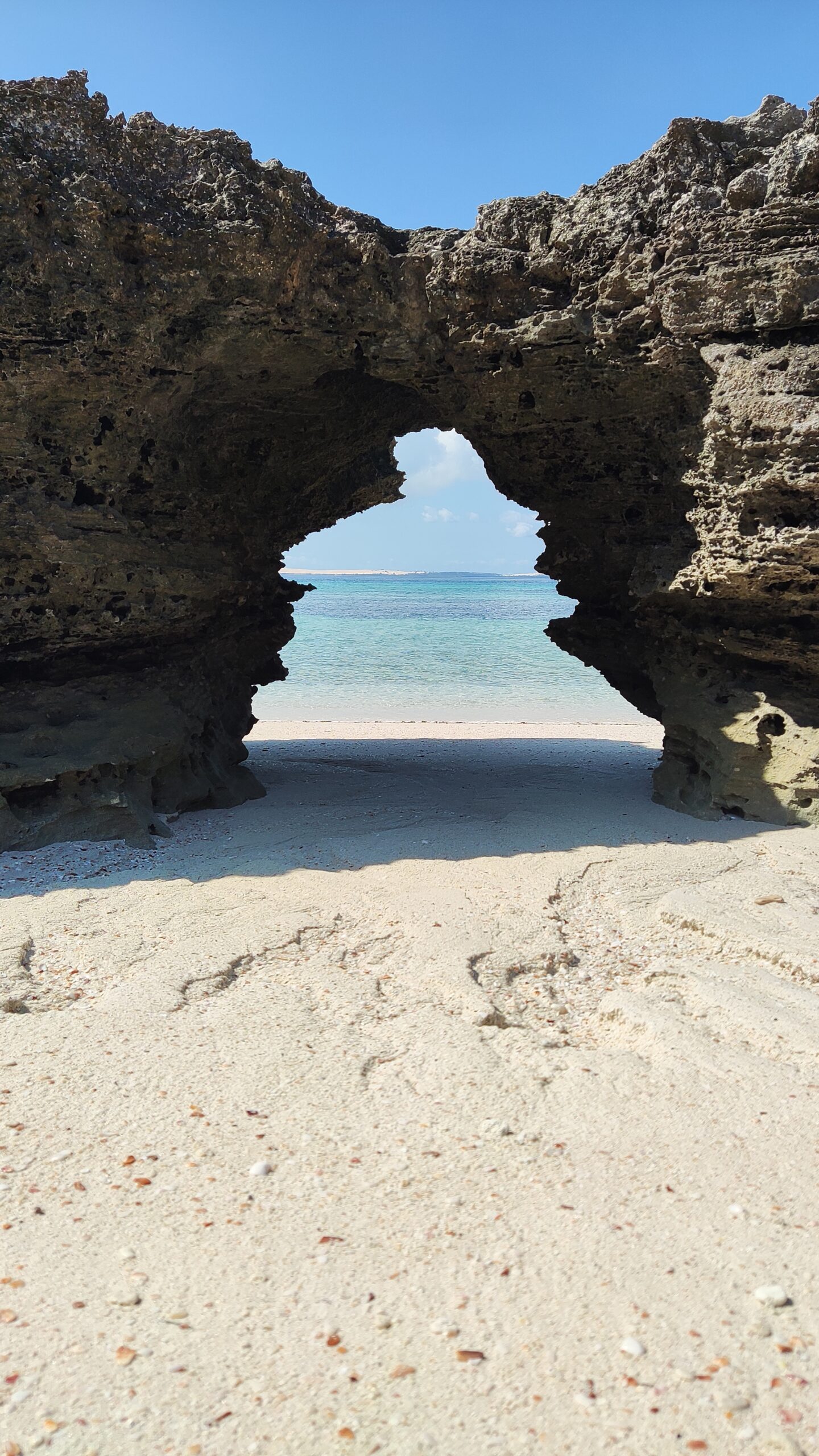
Book with us and we’ll be your trusted local guides, ready to reveal the hidden gems of our country.
Plan your trip